Our first Connection Event · 27 October 2026 · Ditchling
A little space to flourish
What happens when children feel comfortable enough to explore something new — in their own way, at their own pace?
The right conditions can change what feels possible
All ten participating children had experienced challenges with the mainstream educational offer, although their circumstances were varied. Some had recognised special educational needs or disabilities, a diagnosis or an Education, Health and Care Plan (EHCP); others did not. Some were in school and some were not. Two siblings also joined the gathering. The families were brought together by the opportunity to experience a different kind of space — not by a shared label or a single education pathway.
At Flourishing, our starting question is not whether a child can be persuaded to fit a particular setting. It is whether the setting and the opportunities can be shaped so the child feels able to participate, explore and learn.
The children who attended shared one experience: mainstream education has been, or continues to be, challenging for them. Their circumstances differ. Some have recognised SEND, diagnoses or EHCPs; others do not. Some are currently attending school, while others are not. What brought them together was not a label or attendance figure, but an opportunity to explore a different kind of environment.
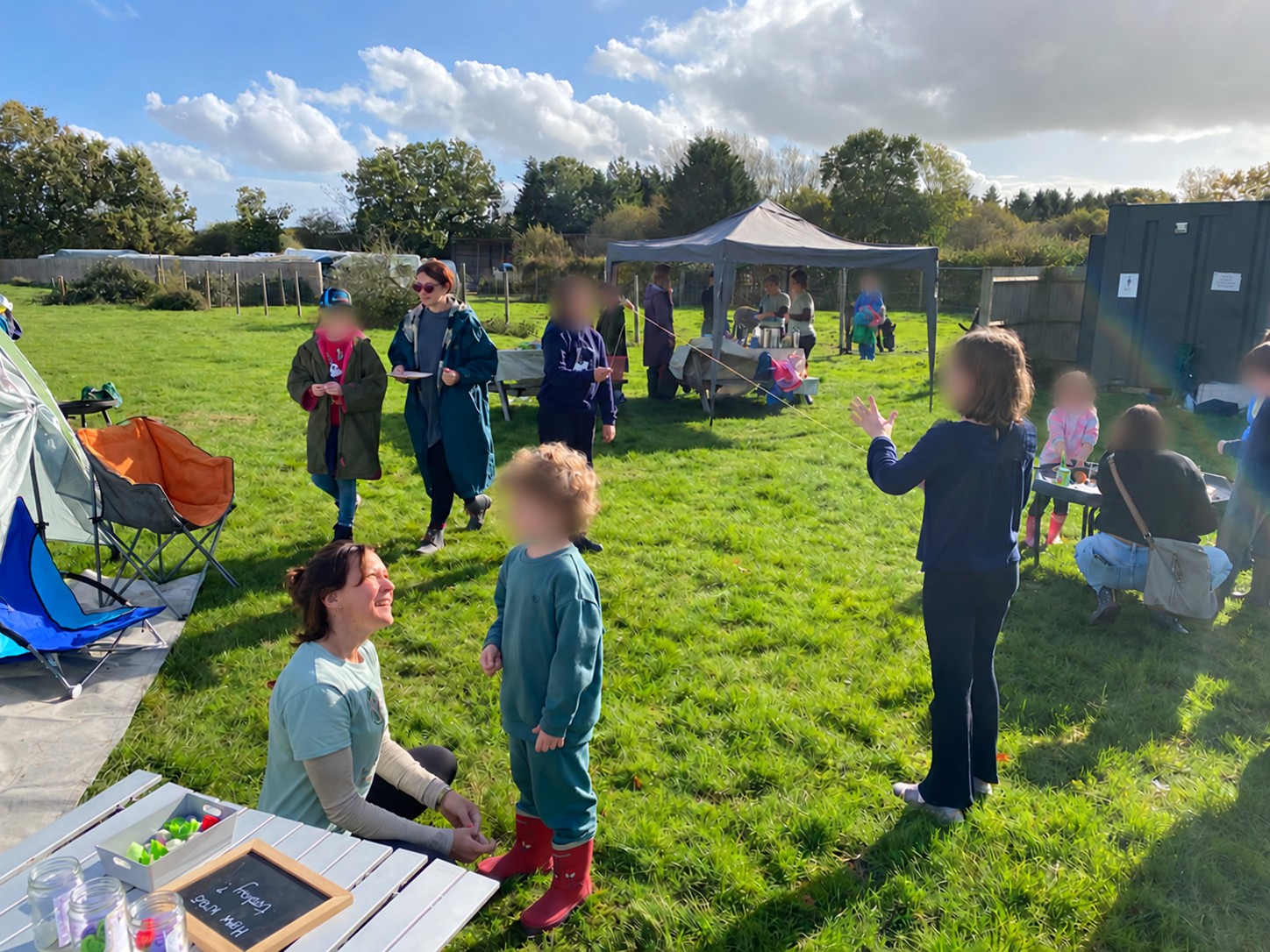
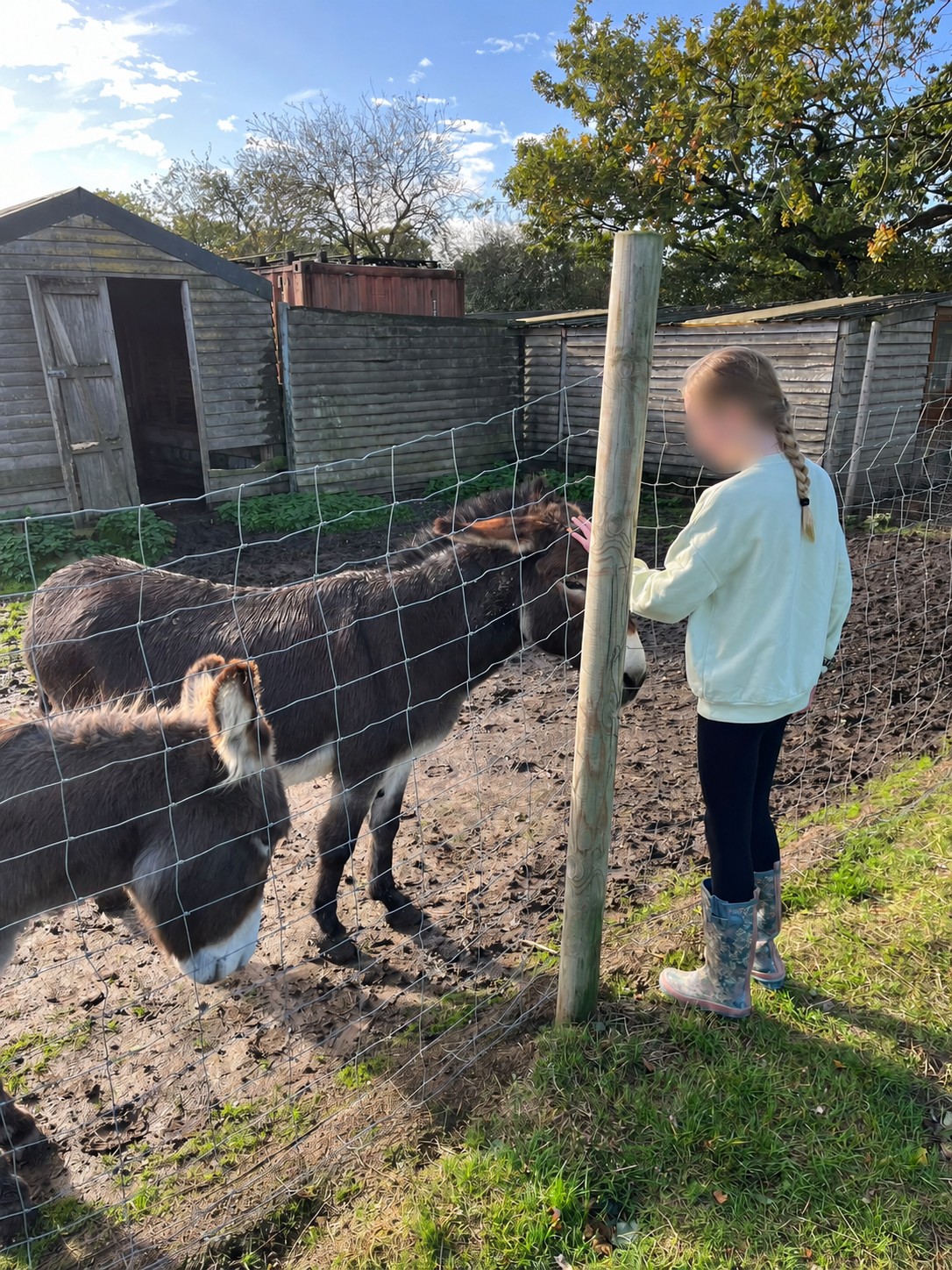
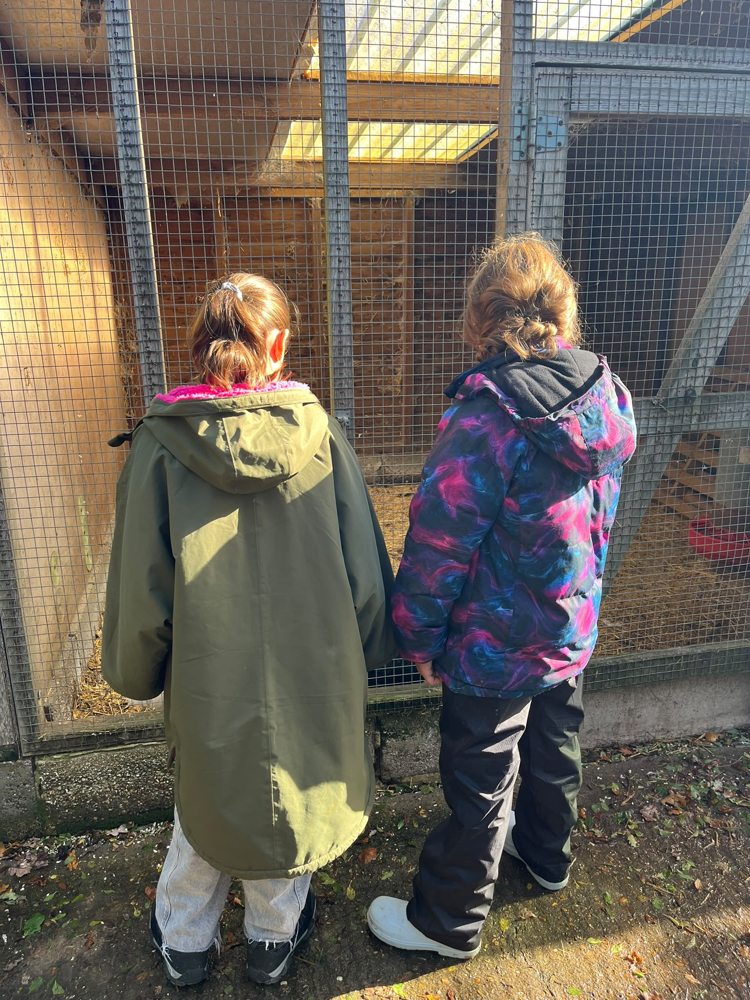
Our first Flourishing Connection Event brought families together in a welcoming outdoor setting, with opportunities to create, explore, meet animals and spend time alongside others. There was no set route through the day and no expectation that every child would join the same activities.
One parent shared that their child tried foods they had never eaten before and was keen to explore further away from them than expected. This was one family's observation, not a measured outcome — but it captured the possibility we wanted to explore.
“I was worried adults would make me interact with them.”
— Child feedback
Being able to watch first, stay close to a parent, take a break or follow an interest gave children room to make their own choices.
What made the space feel different?
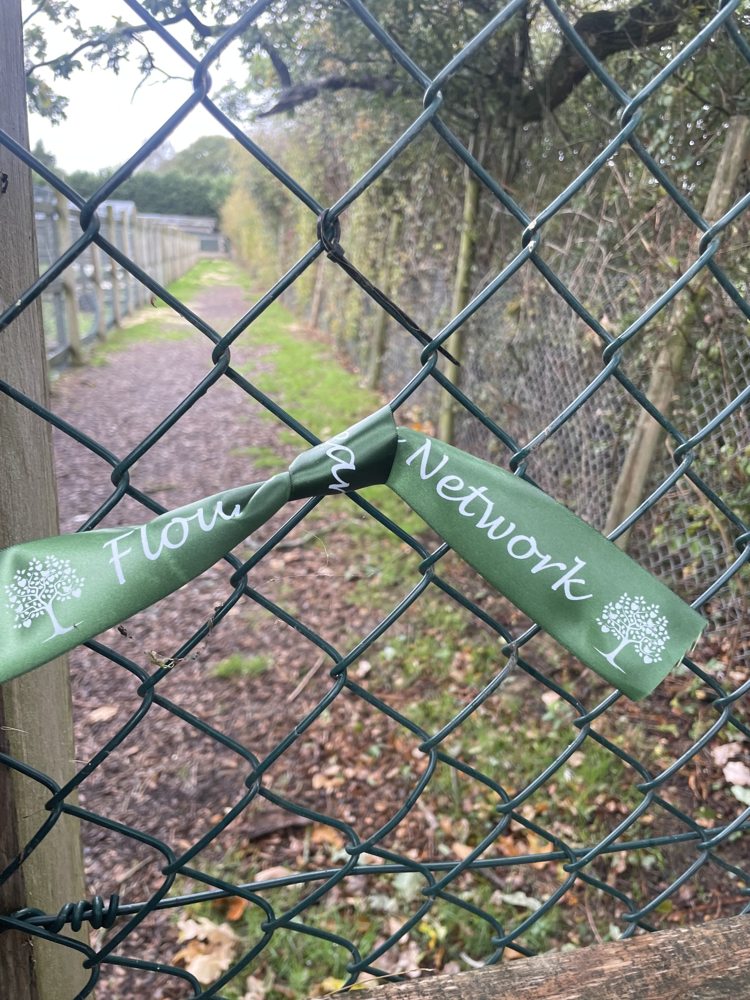
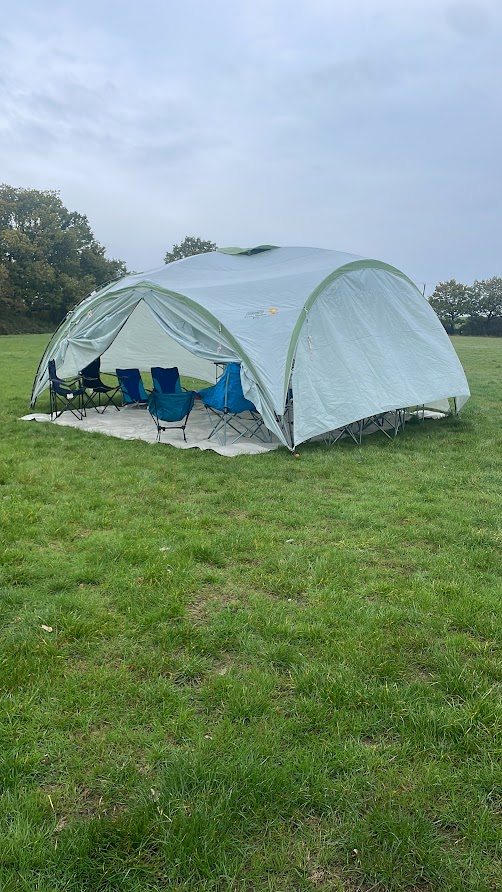
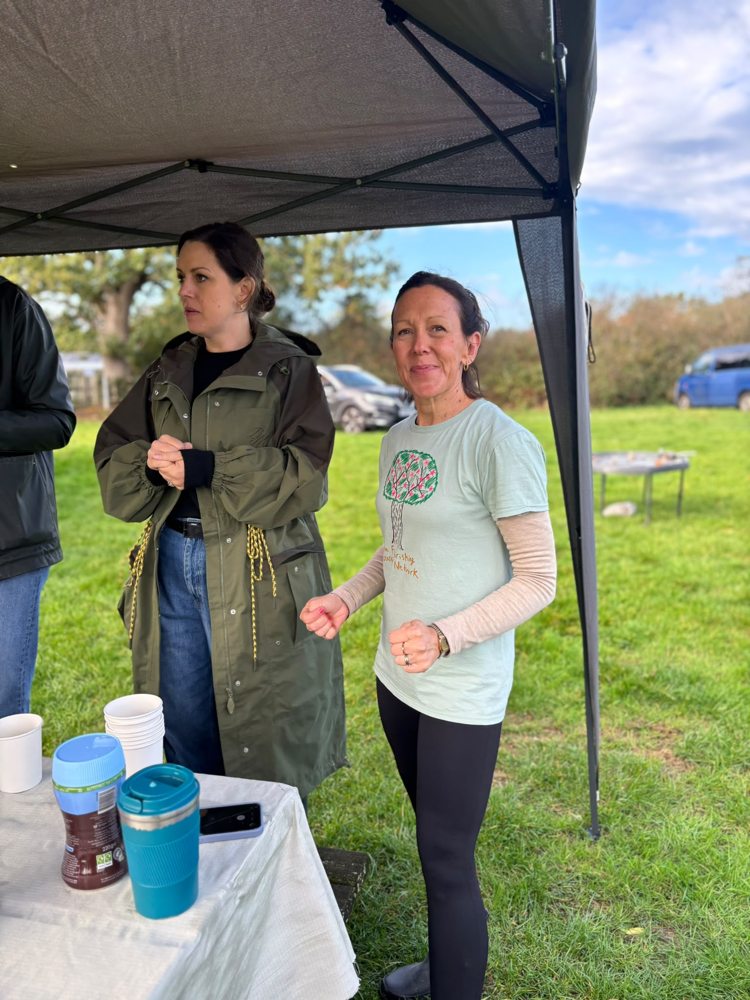
Before the day, families could see a photo map and a simple guide showing what to expect. On arrival, there was no group briefing to sit through, no fixed timetable for the children to follow and no requirement to speak to unfamiliar adults. Families could arrive flexibly, remain together, watch first, step away, or move towards whatever interested them.
“My child was anxious that he would have to take part in a ‘briefing’ — the fact they could just safely interact with everything on offer removed this barrier.”
— Parent feedback
These were not simply conveniences. The feedback suggests that seemingly small choices about introductions, timing, physical space and expectations can determine whether children feel able to take part.
Learning through doing
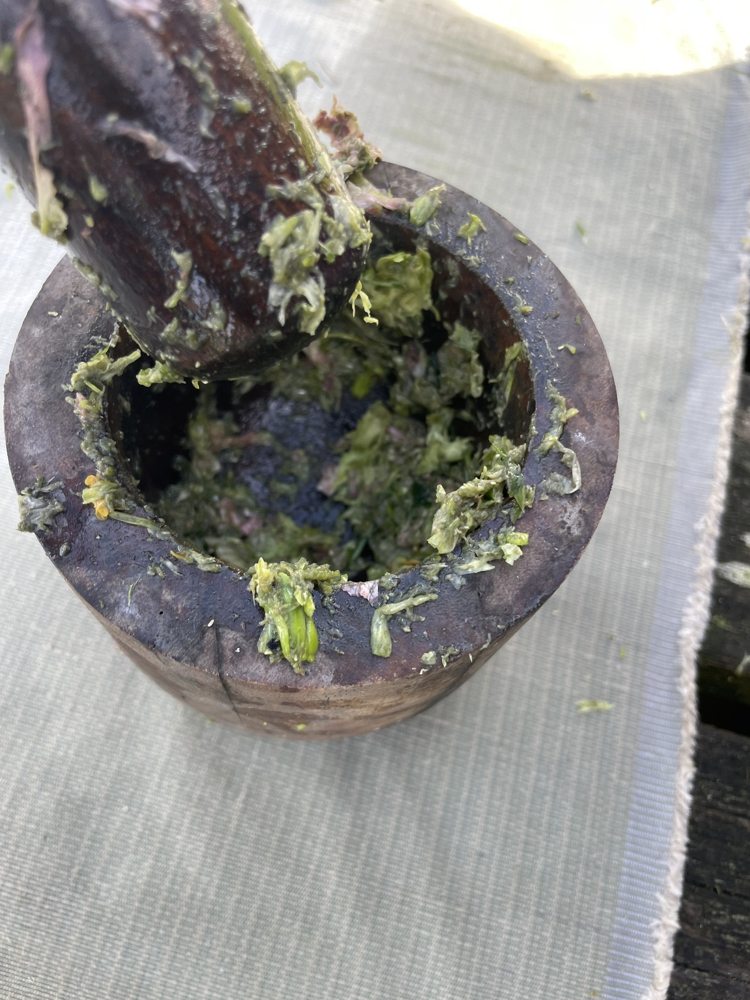
Loose parts, clay, natural materials and open-ended creative activities invited experimentation without a prescribed result. Some children made unexpected creations; others explored by sorting, mixing, observing or working alongside someone else.
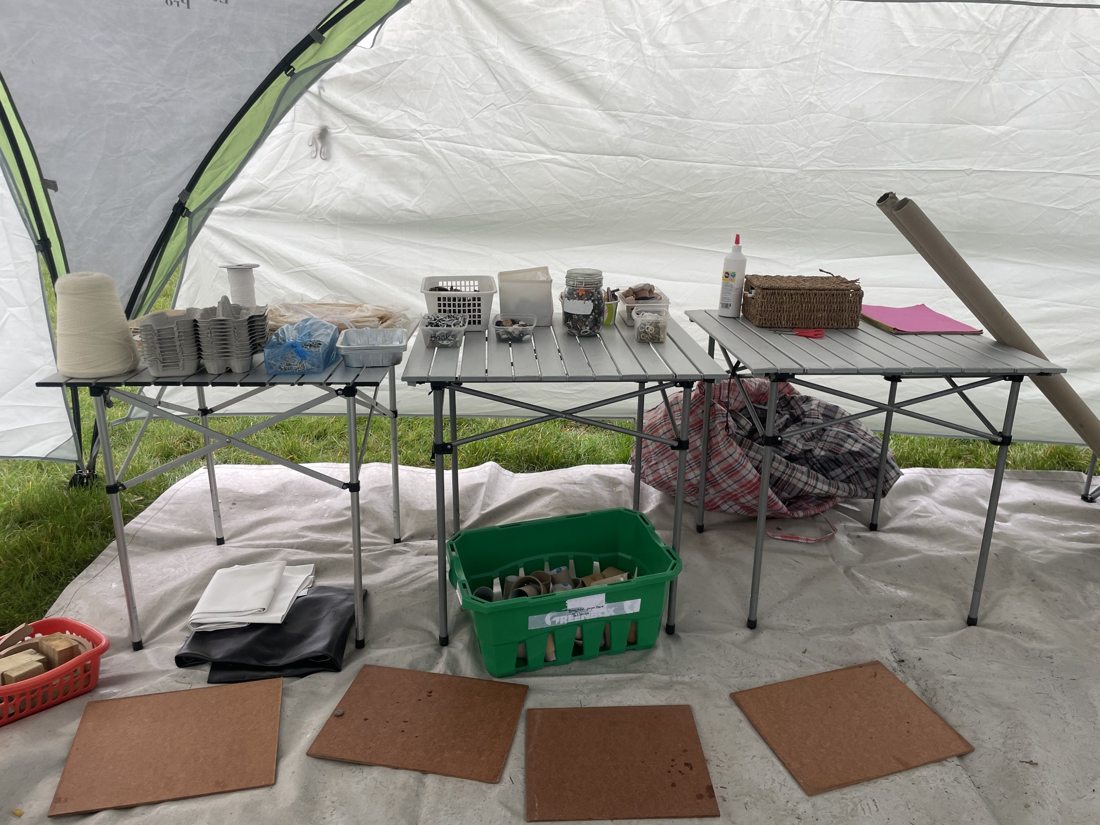
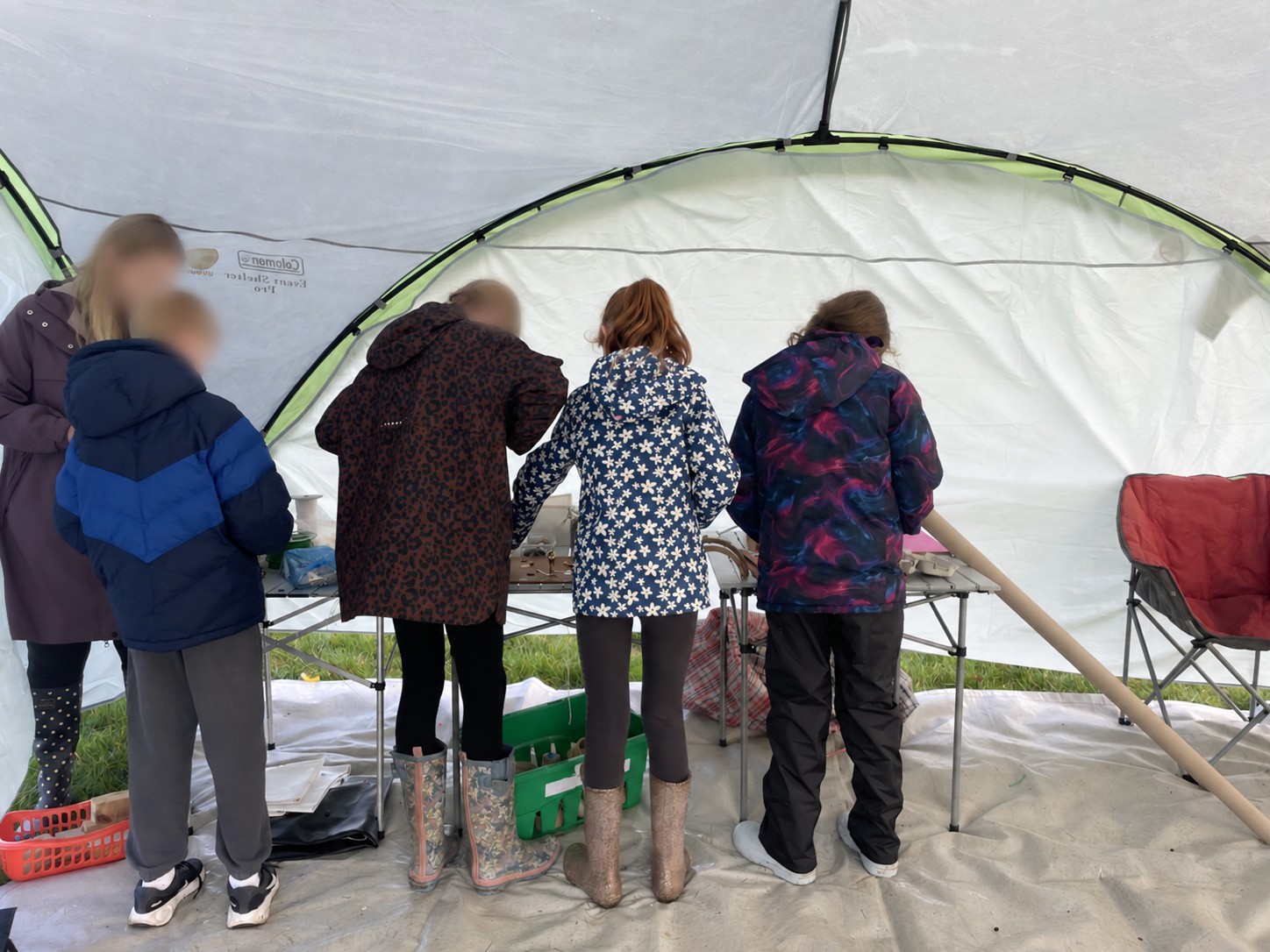
“My child loved the open ended play - they explored the beads, sorting, made things I would never have imagined looking at all the loose parts”
— Parent feedback
Exploring without a prescribed outcome
Children followed different interests and used the same materials in different ways. Some selected and sorted beads; others mixed natural materials, experimented, crafted or made creatures and objects of their own. An activity was an invitation, not a task to complete in the 'right' way.
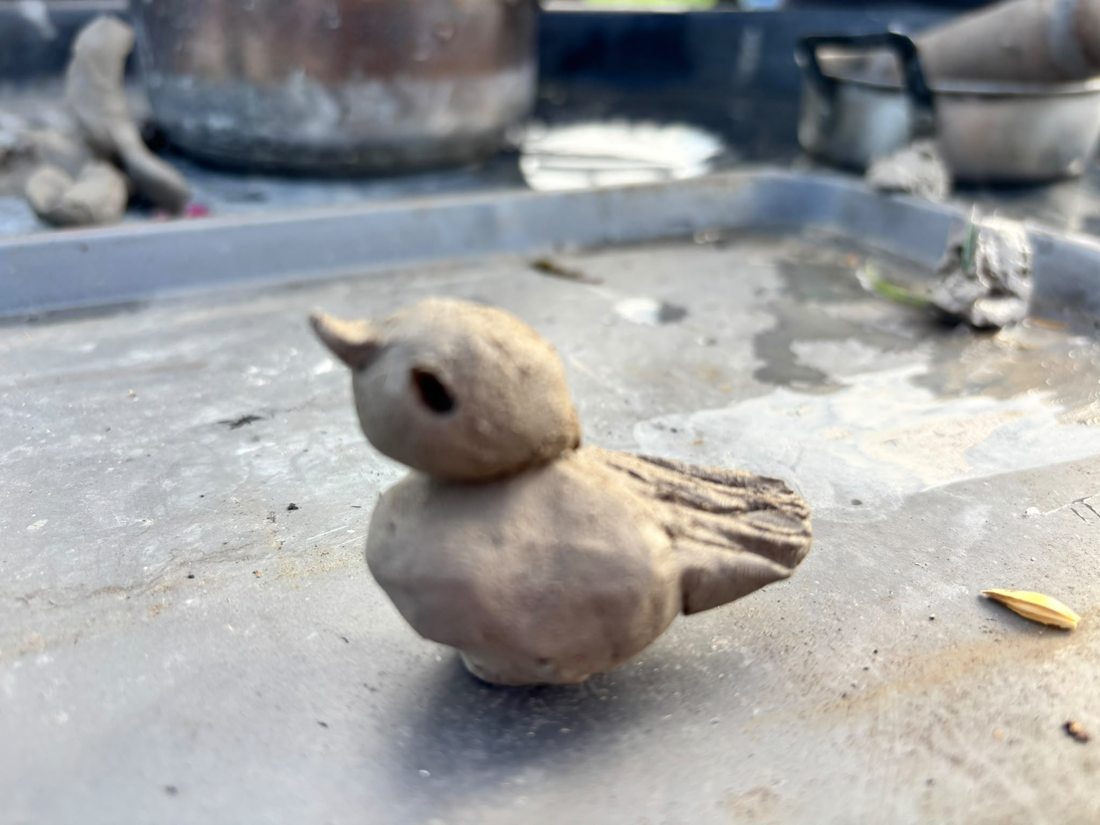
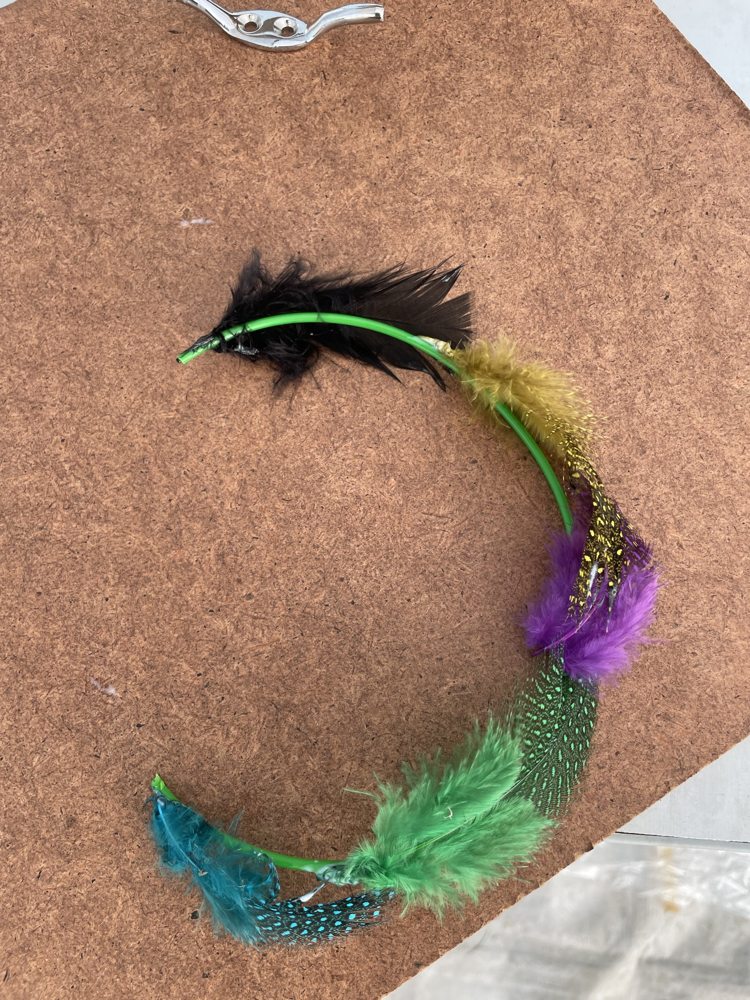
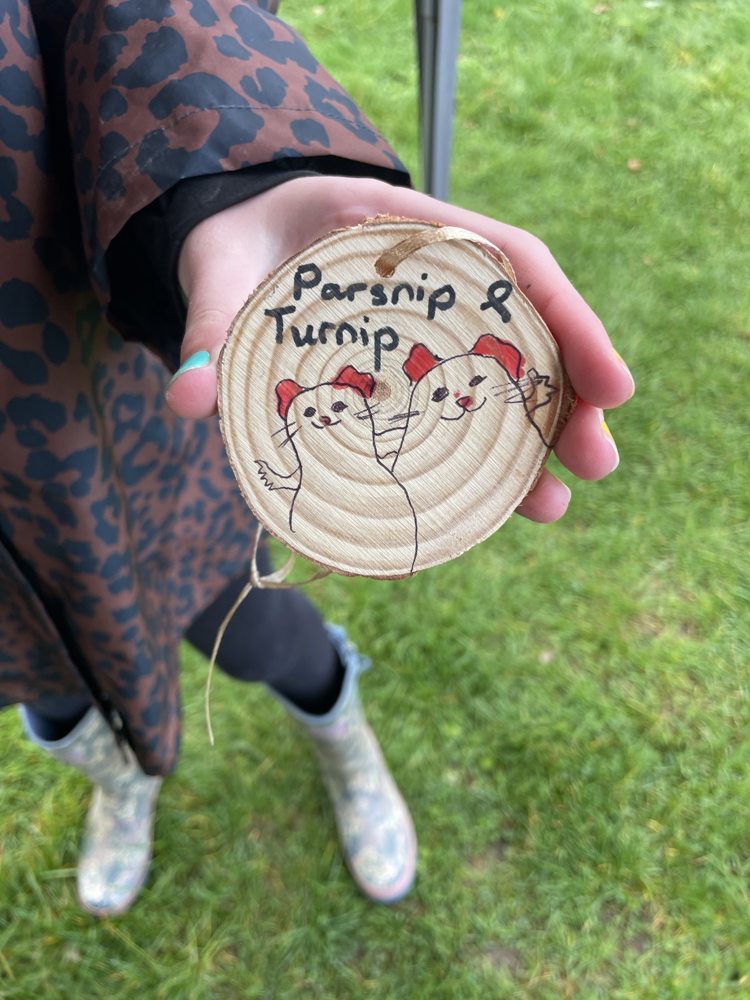
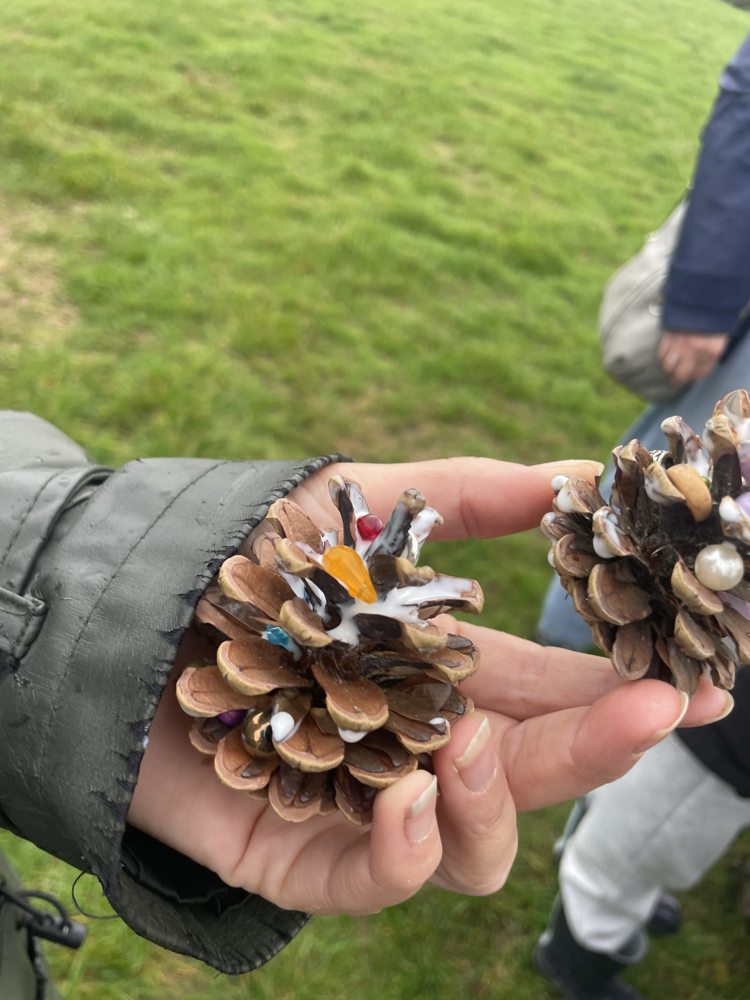
From a learning perspective, opportunities like these can invite planning, sensory exploration, persistence, decision-making and problem-solving — without requiring every child to demonstrate these in the same way. Those are potential learning processes, not skills we formally assessed on the day.
Different ways to connect
Animals, shared food and time around the fire gave families opportunities to connect naturally, without forcing interaction. Familiar adults and flexible timings were part of helping everyone find a way to take part.
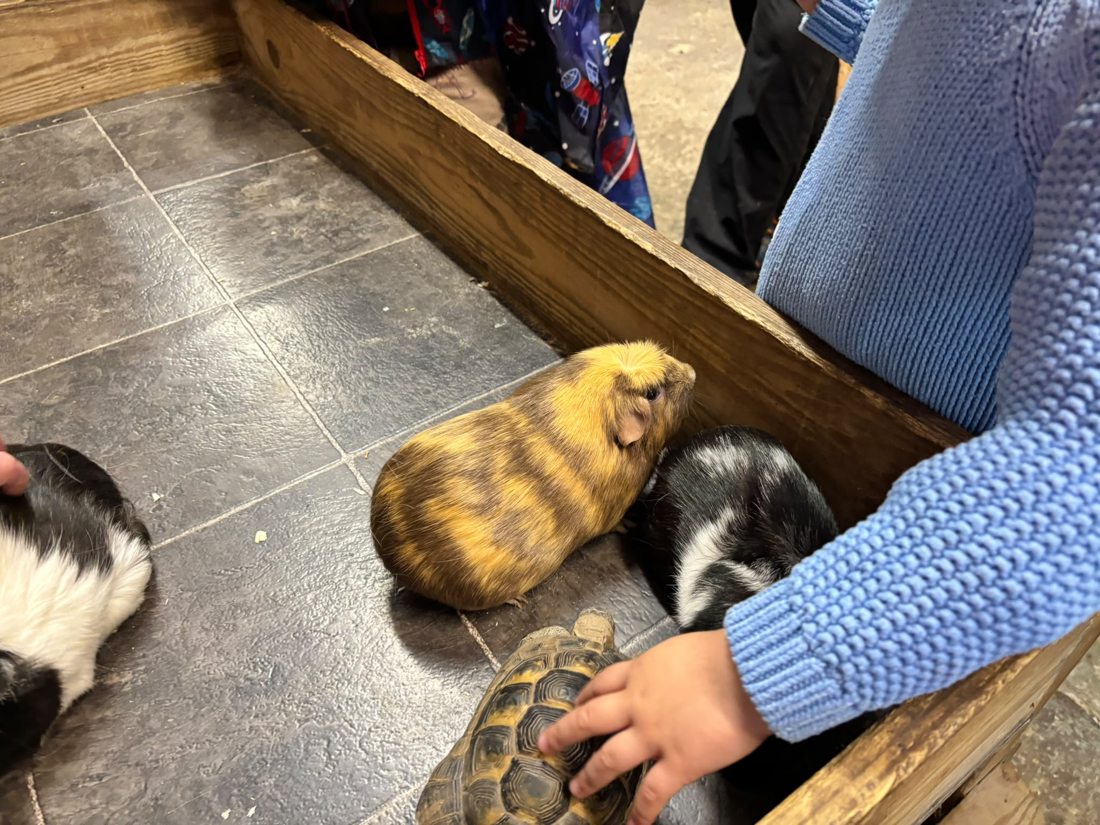
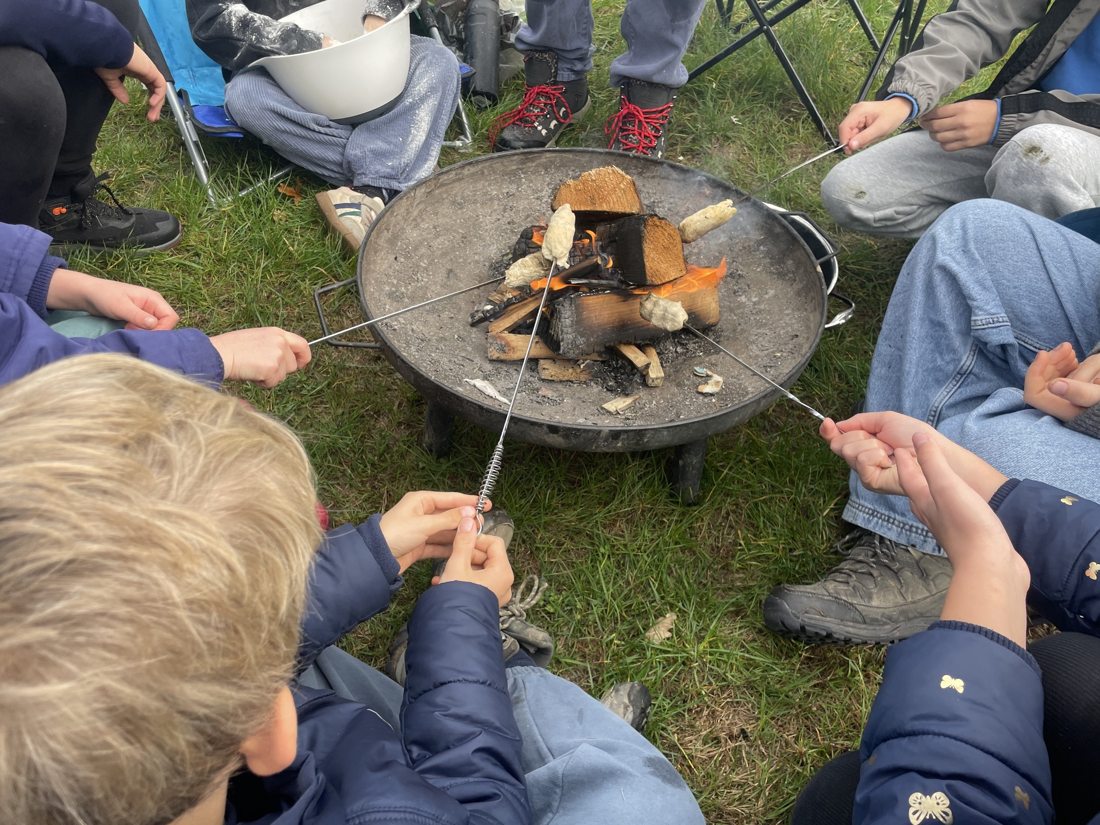
“I love that the timings are relaxed - my child would struggle otherwise”
— Parent feedback
Small steps that mattered to families
“My child is much more independent here than I thought they would be.”
— Parent feedback
One parent described their child trying foods they had never eaten before and wanting to explore further away from them than expected. This was not a pre-set target or an adult-directed challenge. It was something the parent noticed happening within a setting that felt manageable for their child.
These observations matter because a child may show more curiosity, flexibility or independence than adults anticipate when there is choice, a sense of safety and an achievable invitation to explore. They do not tell us that every child experienced this or that these changes will persist; they do give us a useful question for future events: which conditions make participation and new learning more possible for each child?
Children helping shape what comes next
At the end of the event, children gave feedback using flower tokens and three jars. We welcomed every response and asked those who chose “Not for me” what would make future gatherings better.
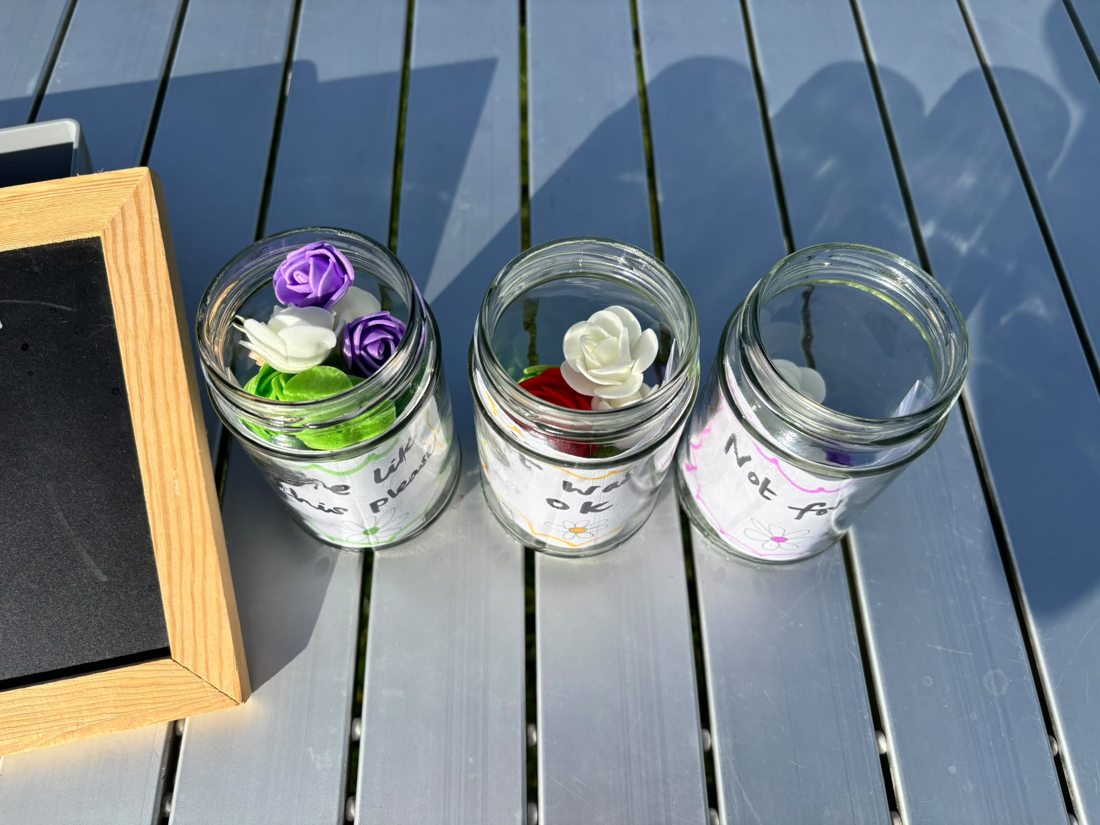
Ideas included books, dancing, making instruments and keeping the same familiar place while changing the activities. The children weren't simply evaluating the event — they were helping shape what happens next.
We believe children and young people can be capable, curious and engaged learners when the environment and opportunities are right for them.
Our clearest early finding: the conditions for learning matter
Our first event wasn't designed as a formal educational assessment. We did not measure school attendance, academic attainment or longer-term progress. But the feedback from families provides an important early insight: children who have found mainstream educational environments challenging can still be curious, capable and willing to try unfamiliar things when the environment feels right for them.
What seems worth exploring further is not one special activity, but the combination of conditions around it:
- Predictability without rigidity: a familiar space, advance information and flexibility over when and how to join in.
- Choice without pressure: watching, participating, staying close to a parent or exploring independently were all acceptable.
- Learning through doing: meaningful, practical and sensory experiences with no single correct outcome.
- Relationships and belonging: opportunities to be alongside others without compulsory interaction.
- Room for surprise: adults noticing independence, experimentation or willingness to try something new.
The experience does not demonstrate that these conditions work for every child, nor that a single event leads to sustained changes. It offers a promising hypothesis for Flourishing to test through further events, family feedback and careful observation.
What happens next?
We are inviting feedback from children and parents to understand what worked, what did not and what would help next time. Children's own suggestions already include books, dancing, making instruments and returning to the same place with new activities.
We want to create and connect more opportunities for children and young people whose worlds have become smaller — and keep learning about how comfort, choice, relationships and practical experiences can make those worlds wider.
Our purpose is not to prove that one education pathway is right for everyone. It is to show why children deserve more ways to flourish.